


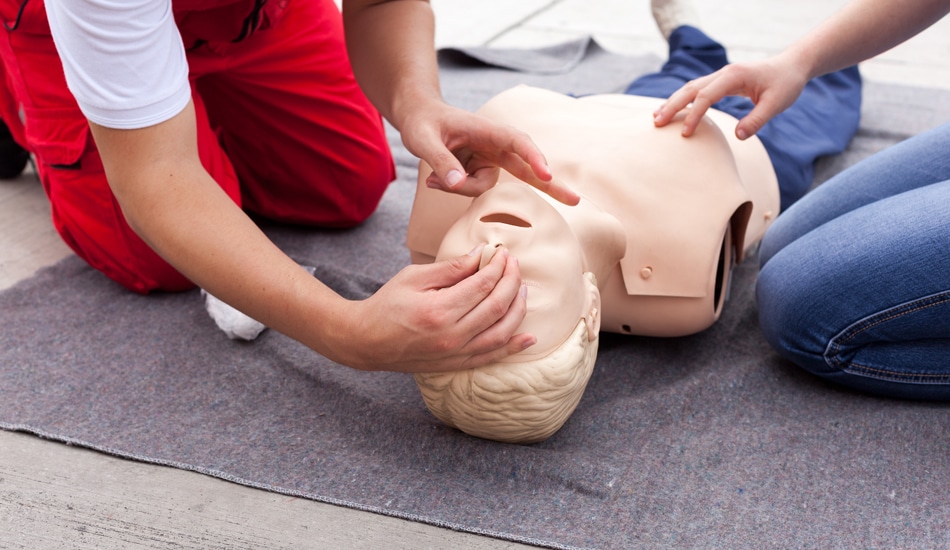
In today’s fast-paced world, having a basic understanding of first aid can be invaluable. Whether you’re at home, work, or out in public, emergencies can happen at any time, and knowing how to respond can make a significant difference. First aid courses provide essential skills that enable individuals to act quickly and effectively in various situations, from minor injuries to life-threatening emergencies. These courses cover a range of topics, including CPR, wound care, and how to handle choking incidents. By learning these skills, you can be better prepared to help others and potentially save lives.
Core Skills Overview
Understanding the Importance of First Aid
First aid is a crucial skill set that everyone should possess. It empowers individuals to provide immediate care in emergency situations, potentially saving lives and reducing the severity of injuries. Understanding the importance of first aid goes beyond just knowing how to apply a bandage or perform CPR. It involves recognizing the signs of a medical emergency, staying calm under pressure, and making quick decisions that can have lasting impacts. First aid training also instills confidence, allowing individuals to act decisively when faced with unexpected situations. By being prepared, you can contribute to a safer environment for yourself and those around you.
Basic Life Support Techniques
Basic life support (BLS) techniques are fundamental components of any first aid course. These techniques include cardiopulmonary resuscitation (CPR) and the use of automated external defibrillators (AEDs). CPR is a life-saving procedure that involves chest compressions and rescue breaths to maintain blood flow and oxygenation in a person who has stopped breathing or whose heart has stopped beating. AEDs are portable devices that can analyze the heart’s rhythm and deliver an electric shock to restore a normal heartbeat. Learning these skills is essential, as they can significantly increase the chances of survival in cardiac arrest situations. A First Aid course provides hands-on training in these techniques, ensuring that participants are well-prepared to respond effectively in emergencies.
Managing Wounds and Bleeding
One of the most common scenarios in which first aid is required involves wounds and bleeding. Knowing how to manage these situations is crucial, as uncontrolled bleeding can lead to severe complications. First aid courses teach participants how to assess the severity of a wound, clean it properly, and apply appropriate dressings. They also cover techniques for controlling bleeding, such as applying direct pressure, elevating the injured area, and using tourniquets when necessary. Understanding how to prevent infection and promote healing is also an important aspect of wound management. By acquiring these skills, individuals can provide effective care and minimize the risk of further injury or infection.
Handling Choking Emergencies
Choking is a common emergency that can occur in both children and adults. It happens when an object becomes lodged in the throat, blocking the airway and preventing normal breathing. First aid courses teach participants how to recognize the signs of choking and respond quickly to clear the obstruction. Techniques such as back blows and abdominal thrusts, also known as the Heimlich maneuver, are essential skills that can help dislodge the object and restore normal breathing. Understanding how to adapt these techniques for different age groups, including infants, is also covered in first aid training. By learning how to handle choking emergencies, individuals can act swiftly to prevent serious consequences.
Short Paragraph on First Aid Kits
Having a well-stocked first aid kit is an essential part of being prepared for emergencies. A first aid kit should contain items such as bandages, antiseptic wipes, adhesive tape, and scissors. It is important to regularly check and replenish the supplies to ensure they are ready for use when needed. Knowing how to use the items in a first aid kit effectively is also crucial, as it can make a significant difference in the outcome of an emergency situation.
Recognizing and Responding to Shock
Shock is a life-threatening condition that can occur after a severe injury or illness. It is characterized by a drop in blood pressure, rapid pulse, and shallow breathing. Recognizing the signs of shock and responding promptly is critical in preventing further complications. First aid courses teach participants how to identify the symptoms of shock and provide appropriate care. This includes keeping the person warm, elevating their legs, and monitoring their vital signs until professional medical help arrives. Understanding the causes of shock and how to prevent it is also an important aspect of first aid training. By being equipped with this knowledge, individuals can provide effective support in critical situations.
Conclusion
First aid courses equip individuals with the knowledge and skills needed to respond effectively in emergencies. By learning basic life support techniques, managing wounds, handling choking incidents, and recognizing shock, participants can make a significant difference in the outcomes of various situations. These skills not only enhance personal safety but also contribute to the well-being of others. Being prepared with first aid knowledge fosters a sense of confidence and readiness, enabling individuals to act swiftly and decisively when faced with unexpected challenges. Investing time in a first aid course is a valuable step towards creating a safer environment for everyone.
