


Ishita Kishore age has been a topic of widespread interest since she achieved the remarkable feat of securing All India Rank 1 in the UPSC Civil Services Examination 2022.
Born in 1996, Ishita Kishore is currently 29 years old as of 2026, making her one of the youngest IAS toppers in recent history.
Her journey from a national-level football player to the top-ranked civil servant exemplifies determination, resilience, and strategic preparation.
This Delhi University graduate, daughter of an Air Force Wing Commander, represents the new generation of young administrators dedicated to public service and women’s empowerment. Her success on the third attempt, after failing prelims twice, has inspired millions of UPSC aspirants across India.
Quick Facts About Ishita Kishore
| Category | Details |
|---|---|
| Full Name | Ishita Kishore |
| Date of Birth | 1996 |
| Age | 29 Years (as of 2026) |
| Birthplace | Begumpet, Hyderabad, Telangana, India |
| Hometown | Patna, Bihar, India |
| Current Residence | Greater Noida, Uttar Pradesh, India |
| Nationality | Indian |
| Religion | Hinduism |
| Caste | Kayastha (Scheduled Caste as per some sources) |
| Height | 5’8″ (173 cm) |
| Weight | 60 kg (132 lbs) |
| Eye Color | Black |
| Hair Color | Black |
| Physique | Slim |
| Profession | IAS Officer (Indian Administrative Service) |
| Current Position | Undergoing Training at LBSNAA (2-year training period) |
| UPSC Exam Year | Civil Services Examination 2022 |
| UPSC Rank | All India Rank 1 (AIR-1) |
| UPSC Attempts | 3 (Failed Prelims in 1st & 2nd attempts) |
| Total UPSC Score | 1,094 marks out of 2,025 |
| Written Exam Score | 901 marks |
| Interview Score | 193 marks |
| Optional Subject | Political Science and International Relations (PSIR) |
| Graduation Subject | Economics (Honours) |
| College | Shri Ram College of Commerce (SRCC), Delhi University |
| School | Air Force Bal Bharti School, Lodhi Road, Delhi |
| Service Preference | Indian Administrative Service (IAS) |
| Cadre Preference | Uttar Pradesh Cadre |
| Net Worth | ₹20-35 Lakhs (as of 2026) |
| Monthly Salary | ₹1,50,000 – ₹1,70,000 (excluding allowances) |
| Marital Status | Unmarried |
| Boyfriend/Husband | Not Publicly Disclosed |
| Father | Late Wing Commander Sanjay Kishore (Indian Air Force, d. 2004) |
| Mother | Jyoti Kishore (Private School Teacher) |
| Siblings | Elder Brother (Lawyer by profession) |
Ishita Kishore Age and Birth Details
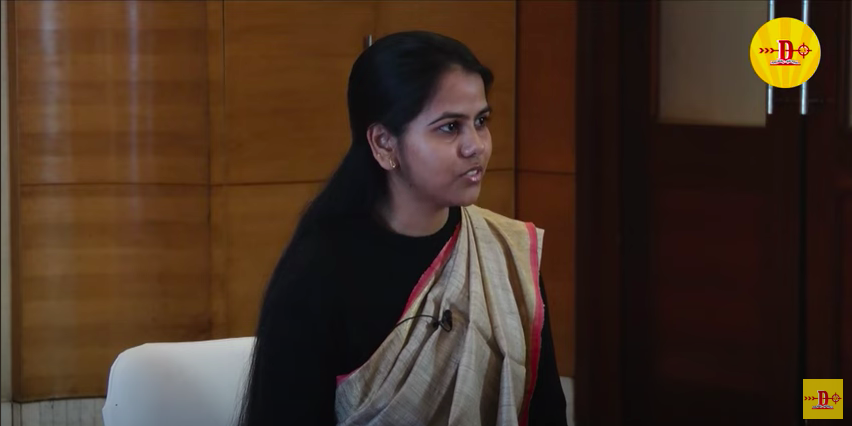
Ishita Kishore age is 29 years as of 2026. She was born in 1996 in Begumpet, Hyderabad, Telangana, though the exact date of birth remains undisclosed publicly.
At 29 years old, Ishita represents the young face of Indian civil services. Her achievement at this age demonstrates that dedication and strategic preparation can yield results regardless of youth.
The UPSC topper was 26-27 years old when the results were announced in May 2023. Her young age became a talking point, inspiring countless aspirants who believe age is a barrier.
Growing up in the 1990s and early 2000s, Ishita witnessed India’s rapid transformation. This generational perspective likely influences her administrative vision and approach to governance.
Her formative years in Hyderabad and later Bihar shaped her worldview. Exposure to different states and cultures gave her insights into India’s diversity.
Early Life and Family Background
Ishita Kishore was born in Begumpet, Hyderabad, Telangana, into a disciplined Air Force family. Her father’s military background instilled values of dedication and service from childhood.
Her father, Late Wing Commander Sanjay Kishore, served in the Indian Air Force with distinction. Tragically, he passed away in 2004 when Ishita was just 8 years old.
Losing her father at such a young age profoundly impacted Ishita. The early loss taught her resilience and independence that would later prove crucial in her UPSC journey.
Her mother, Jyoti Kishore, worked as a private school teacher. After her husband’s death, she raised Ishita and her elder brother with strength and determination.
Ishita’s mother became both parent and role model. Her dedication to education as a teacher influenced Ishita’s own academic pursuits and appreciation for learning.
The family later moved to Bihar, where Ishita spent significant portions of her childhood. Bihar’s cultural environment and academic traditions contributed to her development.
Her elder brother pursued law and practices as a lawyer. The sibling bond remained strong, with her brother providing support throughout her UPSC preparation.
Growing up in an Air Force community exposed Ishita to discipline and structure. Military cantonment life emphasized punctuality, organization, and goal-oriented behavior.
Education: Academic Excellence from School to University
Schooling Years
Ishita attended Air Force Bal Bharti School at Lodhi Road, Delhi. The institution is renowned for providing quality education to children of defense personnel.
During her school years, she excelled academically. In Class 10th, she secured over 70% marks, though some sources mention even higher percentages.
Her Class 12th performance was exceptional, scoring 96.6% in the high school examination. She specialized in the Commerce stream with mathematics as a subject.
In the intermediate (Class 12th) examination, she achieved an outstanding 97.25% and 98% according to different sources. This academic excellence laid the foundation for her future success.
Beyond academics, she participated actively in extracurricular activities. She served as President of Interact, a Rotary-sponsored club, where she organized mock United Nations sessions.
Her involvement in Model UN sessions developed her understanding of international relations. These early exposures would later prove valuable when she chose PSIR as her optional subject.
College Education at SRCC
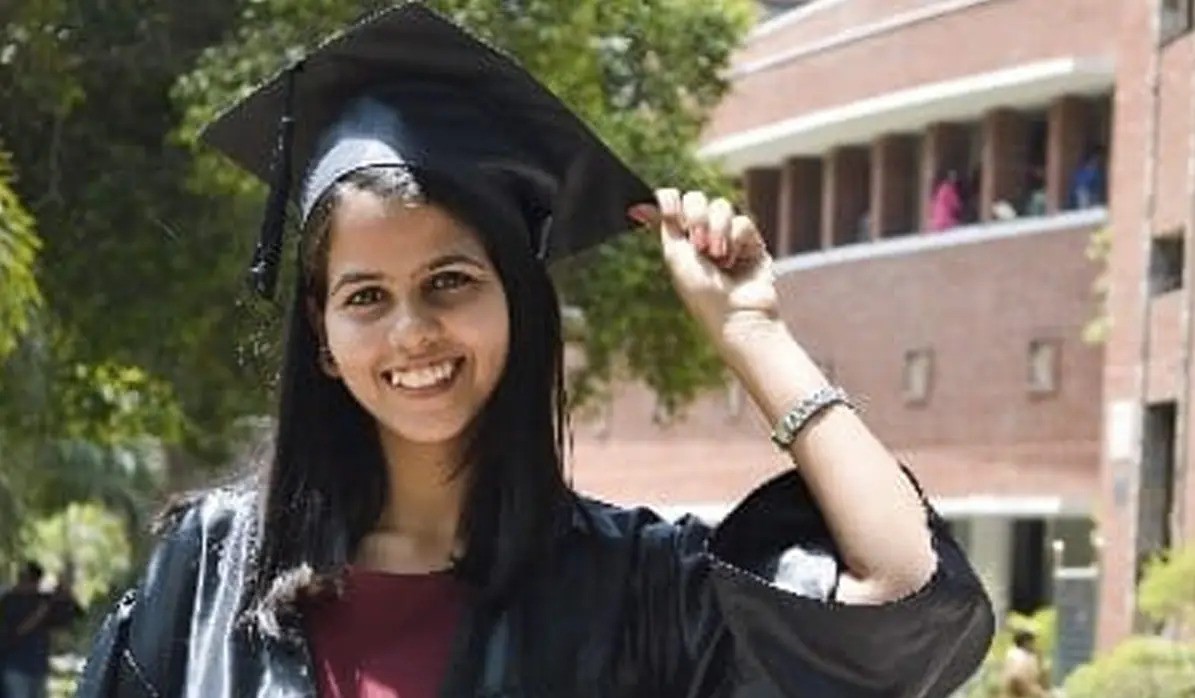
In 2014, Ishita enrolled at Shri Ram College of Commerce (SRCC), Delhi University. SRCC is one of India’s most prestigious institutions for commerce and economics education.
She pursued Economics (Honours) as her undergraduate degree. The rigorous curriculum at SRCC honed her analytical and critical thinking abilities.
During her college years from 2014-2017, she remained actively involved in societies. She was a member of both the Economic Society and Literary Society.
Her participation in the Commerce Society showed her interest in economic affairs. She also served on the Organizing Committee of the Shri Ram College Global Millennium Summit.
The three years at SRCC exposed her to diverse perspectives. Interactions with brilliant peers and faculty enriched her understanding of socio-economic issues.
She graduated in 2017 with top grades in her batch. Her strong academic foundation in economics would later complement her PSIR optional preparation.
Professional Experience Before UPSC
Internships and Early Career
In 2015, during her second year of college, Ishita interned at Housing and Urban Development Corporation Limited (HUDCO). This exposure introduced her to public sector operations.
The same year, she volunteered with NGO CRY (Child Rights and You). She taught underprivileged children at the child shelter home in Tihar Jail, Delhi.
Her work at Tihar Jail deeply affected her perspective on social issues. Witnessing children in such circumstances strengthened her resolve to work in public service.
In 2016, she interned at GAIL (India) Ltd., another major public sector undertaking. These internships provided insights into governance and public administration.
Working at Ernst & Young
From June 2017 to March 2019, Ishita worked as a Risk Analyst at Ernst & Young (EY) in Gurgaon. She specialized in serving North American clients.
The corporate experience at EY was valuable for her professional development. She learned project management, analytical skills, and client relationship management.
Working at a multinational firm exposed her to global business practices. The experience helped her understand international relations from a practical perspective.
However, the corporate world didn’t align with her long-term aspirations. The desire to contribute to public governance and nation-building remained strong.
In March 2019, she made the bold decision to resign from EY. She chose to dedicate herself entirely to UPSC Civil Services Examination preparation.
The decision to leave a lucrative corporate job wasn’t easy. Family support and her conviction about public service made the transition possible.
Sports Career: National-Level Football Player
Beyond academics, Ishita excelled in sports from an early age. She harbored a passion for football and demonstrated exceptional athletic ability.
In 2012, she participated in the prestigious Subroto Cup. The tournament is Asia’s biggest inter-school football competition, showcasing top young talent.
She competed as a national-level football player. This achievement reflects her dedication to sports alongside academic pursuits.
Football taught her teamwork, strategy, and handling pressure. These skills proved invaluable during her UPSC preparation and examination.
In her leisure time, she also enjoys playing squash. Physical fitness and sports remain important parts of her lifestyle.
Her athletic background demonstrates her well-rounded personality. The discipline required for sports translated well into disciplined study routines.
International Representation
In 2017, Ishita received the honor of being selected for the Indo-China Youth Delegation. She represented the Ministry of Youth Affairs and Sports on behalf of the Indian government.
The delegation visited prominent Chinese cities including Beijing, Hefei, and Shanghai. This cultural exchange program promoted understanding between Indian and Chinese youth.
The international exposure during this trip was enriching. She witnessed China’s development model and governance systems firsthand.
Interactions with Chinese youth and officials provided global perspectives. These experiences would later inform her understanding of international relations.
Such opportunities are rare for young Indians. Being selected for this delegation reflected her leadership potential and communication skills.
UPSC Journey: From Failure to All India Rank 1
First Attempt (2020)
Ishita began her UPSC preparation in 2019 after resigning from Ernst & Young. Her first attempt came in 2020 during the COVID-19 pandemic.
The pandemic created unprecedented challenges for UPSC aspirants. Lockdowns, library closures, and uncertainty affected preparation schedules nationwide.
Despite her strong academic background, she failed to clear the Preliminary Examination. This initial setback was disappointing but didn’t break her resolve.
Failing prelims meant her main examination preparation couldn’t be tested. Many aspirants lose confidence after such failures, but Ishita remained determined.
Second Attempt (2021)
Learning from her first attempt, Ishita modified her preparation strategy. She analyzed her weaknesses and worked on improving fundamentals.
The second attempt in 2021 again resulted in failure at the Preliminary stage. Clearing prelims proved to be her biggest challenge.
Two consecutive failures at the same stage can be psychologically devastating. Many aspirants quit after such experiences, considering alternative careers.
However, Ishita’s resilience shone through. She refused to give up on her dream of becoming an IAS officer.
The support of her family, particularly her mother and brother, proved crucial. Their belief in her abilities kept her motivated during dark times.
Third Attempt (2022) – The Breakthrough
For her third and final attempt, Ishita completely overhauled her approach. She studied the exam pattern more carefully and focused on prelims specifically.
Her daily study routine involved 8-9 hours of focused preparation. She emphasized consistency and discipline over the number of hours.
She devoted 40-45 hours weekly to preparation. This balanced approach prevented burnout while ensuring comprehensive coverage.
For the 2022 Preliminary Examination, she scored 113.13 marks in General Studies Paper I and 91.97 marks in CSAT Paper II. These scores comfortably cleared the cutoff.
Having finally crossed the prelims hurdle, she approached Mains with confidence. Her economics background and months of practice paid dividends.
She selected Political Science and International Relations (PSIR) as her optional subject. Despite graduating in economics, she chose PSIR for its relevance to administrative services.
In the Main Examination, she scored 901 marks out of 1750. This excellent performance placed her among the top candidates.
The Personality Test (Interview) is the final stage of UPSC selection. She scored 193 marks out of 275 in the interview round.
Her total score of 1,094 marks out of 2,025 was the highest among all candidates. On May 23, 2023, when results were announced, she had achieved All India Rank 1.
UPSC Preparation Strategy and Study Routine

Daily Schedule and Time Management
Ishita followed a disciplined daily routine during preparation. She dedicated 8-9 hours daily to focused study, maintaining consistency throughout.
Rather than comparing with others, she set personalized targets. She believed in watering her own grass instead of checking if others’ grass was greener.
Weekly, she ensured 40-45 hours of quality preparation time. This approach balanced intensity with sustainability, preventing burnout.
She emphasized the importance of individualized strategies. What works for one aspirant may not work for another; customization is key.
Focus on Writing Skills
Ishita stressed the significance of developing strong writing skills. The UPSC Mains examination tests not just knowledge but also presentation.
She practiced answer writing rigorously. Regular practice helped her refine expression, structure, and time management during examinations.
Mock tests and previous year question papers formed integral parts of her preparation. Simulating exam conditions built confidence and identified weak areas.
Consistency and Discipline
According to Ishita, consistency and discipline are non-negotiable requirements for UPSC success. Sporadic effort yields sporadic results; sustained effort yields success.
She maintained regular study hours regardless of external circumstances. This discipline helped during the pandemic when many struggled with motivation.
Regular revision of covered topics ensured retention. She followed a systematic revision schedule to consolidate learning.
Booklist and Resources
While specific book recommendations weren’t fully detailed in available sources, she relied on standard UPSC preparation materials. NCERTs formed the foundation of her preparation.
For Political Science and International Relations, she studied recommended texts thoroughly. Coaching materials complemented her self-study.
Current affairs preparation involved reading newspapers daily. The Hindu and Indian Express were likely primary sources.
Role of Coaching
Ishita’s preparation was primarily self-study based (80-90%). She relied more on individual effort than coaching classes.
However, she acknowledged that coaching can be helpful when choosing a new optional subject. Expert guidance provides structure and direction.
Her experience working at Ernst & Young before UPSC gave her maturity. Professional experience helped her approach preparation systematically.
Ishita Kishore Net Worth and Salary
Current Salary as IAS Officer
As an IAS officer undergoing training at LBSNAA, Ishita Kishore’s monthly salary ranges between ₹1,50,000 to ₹1,70,000. This excludes various allowances and perks.
IAS officers receive numerous benefits beyond basic pay. These include housing, travel, medical facilities, and other government provisions.
Upon completion of training, her salary will increase with postings. Senior IAS officers earn significantly higher with additional responsibilities.
Estimated Net Worth
Ishita Kishore’s net worth is estimated between ₹20-35 lakhs as of 2026. This includes savings from her Ernst & Young employment and current earnings.
Her net worth is relatively modest compared to private sector professionals. However, the prestige, security, and impact potential of civil services compensate financially.
IAS officers build wealth gradually through savings and investments. Government pension schemes provide long-term financial security.
Financial Comparison
Compared to her potential earnings if she had continued at EY, her current income is lower. However, she prioritizes purpose over profit.
The decision to leave corporate life for civil services reflects her values. Public service satisfaction outweighs monetary considerations for her.
Personal Life: Relationship Status and Interests
Marital Status and Relationships
As of 2026, Ishita Kishore remains unmarried. At 29 years old, she’s focused primarily on her career and training.
There is no public information regarding her dating life or romantic relationships. She maintains privacy about her personal affairs.
Given her demanding schedule during UPSC preparation and now during IAS training, personal relationships likely take a backseat. Professional commitments require full attention.
Her social media presence, if any, doesn’t reveal relationship details. She appears to maintain clear boundaries between public and private life.
Hobbies and Interests
Painting: Ishita enjoys Madhubani art during her free time. This traditional art form from Bihar reflects her cultural connection to the state.
Madhubani painting is intricate and requires patience. The hobby provides creative outlet and stress relief from demanding professional responsibilities.
Sports: Beyond football, she enjoys playing squash. Physical fitness remains important to her lifestyle.
Regular physical activity helps maintain mental clarity. Many successful civil servants emphasize the importance of fitness for handling stress.
Reading: Like most successful UPSC candidates, Ishita is an avid reader. Books provide knowledge, perspectives, and relaxation.
Her favorite Bollywood film is “Dangal,” the inspirational sports biopic. The film’s themes of perseverance and breaking barriers likely resonate with her journey.
Cultural and Religious Background
Ishita follows Hinduism and belongs to the Kayastha caste. Her religious beliefs have been part of her life since childhood.
In interviews, she mentioned that her religious upbringing helped her stay focused academically. Spiritual practices provided mental peace and discipline.
However, she emphasizes merit over caste or background. Her success demonstrates that determination transcends social categories.
Career Goals and Aspirations as IAS Officer
Women’s Empowerment Focus
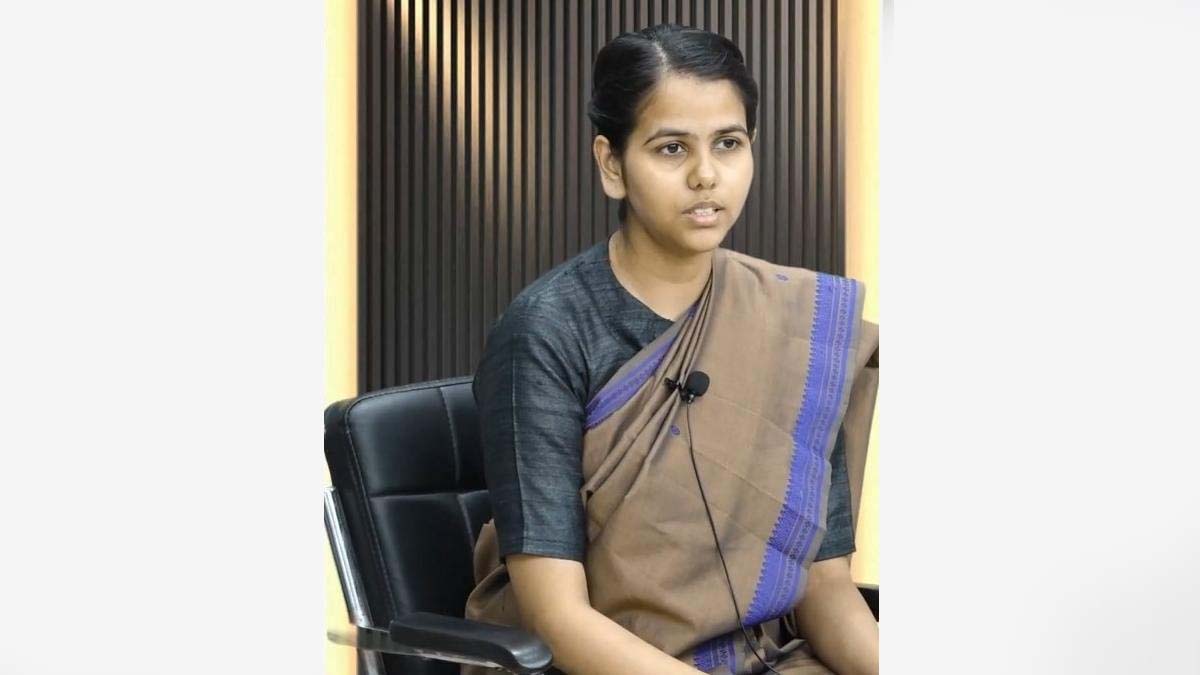
In post-result interviews, Ishita expressed her desire to work toward women’s empowerment. Gender equality in governance and society is a priority area for her.
As a young woman IAS officer, she serves as a role model. Her success inspires girls from diverse backgrounds to pursue civil services.
She wants to create policies that support women’s education, employment, and safety. Practical interventions can transform women’s lives across India.
Public Service Vision
Ishita’s passion for public governance stems from her family background and work experience. She sees civil service as a platform for meaningful societal contribution.
Her time teaching children at Tihar Jail revealed systemic issues. Addressing such problems through administrative action motivates her.
She aims to work with marginalized and neglected communities. Inclusive governance that reaches the last person in line drives her administrative philosophy.
Cadre Preference: Uttar Pradesh
Ishita selected Uttar Pradesh as her top cadre preference. UP is India’s most populous state, presenting enormous administrative challenges.
Working in UP offers opportunities to impact millions of lives. The state’s diversity in terms of regions, communities, and development levels provides comprehensive experience.
Many successful administrators have built careers in UP cadre. The exposure prepares officers for higher responsibilities in central government.
Training at LBSNAA
Currently, Ishita is undergoing mandatory training at Lal Bahadur Shastri National Academy of Administration (LBSNAA) in Mussoorie. The training period lasts approximately 2 years.
LBSNAA prepares officer trainees for administrative roles. The curriculum includes governance, policy-making, district administration, and leadership development.
Physical fitness, horse riding, and outdoor activities form part of the training. These activities build stamina and team spirit.
The academy brings together toppers from across India. Interactions with batch-mates create lifelong professional networks.
Field visits to districts expose trainees to grassroots realities. Practical learning complements theoretical knowledge gained at the academy.
Upon completing training, Ishita will receive her first posting as an Assistant Collector or Sub-Divisional Magistrate. Real administrative challenges will begin then.
Impact and Inspiration to UPSC Aspirants
Role Model for Aspirants
Ishita Kishore’s success story has inspired countless UPSC aspirants nationwide. Her journey from failing prelims twice to securing AIR 1 proves persistence pays.
Many aspirants lose hope after one or two failures. Ishita’s example shows that setbacks are stepping stones, not roadblocks.
Her emphasis on individualized strategy over blindly following others’ methods is valuable advice. Each aspirant must find what works personally.
Inspiration for Women Candidates
Ishita’s achievement is particularly significant for women aspirants. The UPSC CSE 2022 saw 14 women in the top 25 ranks.
This trend of increasing women’s success challenges stereotypes. Civil services are no longer male-dominated; merit determines selection.
Young girls from smaller towns and conservative families see Ishita as proof. They can pursue careers in administration regardless of background.
Message to Youth
Ishita represents young India’s aspirations for meaningful work. Her choice to leave corporate comfort for public service reflects changing priorities.
The younger generation increasingly seeks purpose over paycheck. Ishita’s decision validates this shift in career thinking.
Her success demonstrates that age is just a number. Young achievers can make significant contributions to governance and policy-making.
Key Lessons from Ishita Kishore’s Journey
Resilience in Face of Failure
Failing prelims twice could have ended her UPSC journey. Instead, she analyzed weaknesses and strengthened preparation.
Resilience is perhaps her most valuable trait. The ability to bounce back from setbacks separates successful candidates from others.
Importance of Family Support
Her mother’s support after her father’s death was crucial. Family belief in her abilities sustained her during tough preparation days.
No aspirant succeeds alone. Family emotional and sometimes financial support forms the foundation of successful preparation.
Strategic Preparation Over Hard Work Alone
Ishita’s 8-9 hours daily study was less than many aspirants’ schedules. Quality and strategy mattered more than just quantity.
Smart preparation identifying weak areas and addressing them systematically yields better results than directionless hard work.
Balancing Academics with Extracurriculars
Her achievements in sports, cultural activities, and social work created a well-rounded personality. UPSC values such diversity.
Extracurricular activities develop soft skills like leadership, teamwork, and communication. These are essential for administrative roles.
Purpose-Driven Career Choices
Choosing public service over lucrative corporate career required conviction. Ishita knew her purpose and pursued it relentlessly.
Career decisions aligned with values lead to long-term satisfaction. Money is important but not the only consideration.
Comparison with Other UPSC Toppers
UPSC CSE 2022 Top Ranks
Ishita Kishore secured AIR 1, while Garima Lohia secured AIR 2. Uma Harithi N secured AIR 3, and Smriti Mishra secured AIR 4.
The 5th position went to Mayur Hazarika, a male candidate. Women’s dominance in top ranks was notable this year.
Women’s Performance in UPSC 2022
Out of 933 total qualified candidates (613 men and 320 women), women’s success rate was impressive. 14 women featured in the top 25 ranks.
This represents a significant achievement for gender equality. Women proved they excel in India’s toughest examination.
Comparison with Tina Dabi
Tina Dabi was AIR 1 in UPSC 2015 at age 22. Both Ishita and Tina represent young women breaking barriers.
However, Ishita’s three attempts compared to Tina’s first attempt success shows different journeys. Both paths are equally valid and inspiring.
Social Media and Public Presence
Ishita maintains a relatively low social media profile. Unlike many public figures, she doesn’t actively seek publicity.
Her focus remains on training and preparing for administrative responsibilities. Public attention is a byproduct of success, not the goal.
Interviews given post-result were professional and humble. She credited family support and emphasized hard work over innate brilliance.
This humility despite achieving AIR 1 reflects maturity. Many successful civil servants maintain low-key public personas.
Future Prospects and Career Trajectory
Immediate Future (2026-2028)
Completing LBSNAA training remains her immediate priority. Absorbing maximum learning during these foundational years is crucial.
Her first posting will likely be as Assistant Collector or SDM in Uttar Pradesh. This hands-on administrative experience will be transformative.
District-level positions involve managing law and order, development programs, and citizen grievances. The learning curve is steep but rewarding.
Medium-Term (2028-2035)
After initial postings, she’ll progress through various administrative roles. Each position will add to her experience and expertise.
Specialization in particular sectors (like education, health, or rural development) might emerge. Many IAS officers become experts in specific domains.
Deputation to central government or international organizations is possible. Talented officers often get opportunities beyond state administration.
Long-Term (2035+)
With sustained performance, Ishita could reach very senior positions. District Collector, Divisional Commissioner, and state-level secretary roles await.
Some IAS officers eventually become Chief Secretaries of states. Others join central government in Secretary-level positions.
Her demonstrated capabilities suggest she’ll rise through ranks. The AIR 1 tag often carries expectations of exceptional performance.
Challenges Ahead
Managing Expectations
Being AIR 1 creates enormous expectations. Every action will be scrutinized, and mistakes will be magnified.
Managing this pressure while staying focused on work is challenging. She’ll need to develop thick skin for criticism.
Navigating Bureaucratic Politics
Indian bureaucracy involves complex political dynamics. Young officers must learn to navigate these while maintaining integrity.
Balancing political masters’ expectations with administrative ethics requires wisdom. Many honest officers face difficulties in this balance.
Work-Life Balance
IAS officers, especially in field postings, work extremely demanding hours. Finding time for personal life is genuinely difficult.
As an unmarried woman, societal pressures regarding marriage will intensify. Balancing career aspirations with personal choices is challenging.
Staying Grounded
Success at a young age can lead to ego issues. Staying humble and grounded despite achievements requires conscious effort.
Many promising officers plateau because they stop learning. Continuous self-improvement is essential for sustained success.
Frequently Asked Questions (FAQs)
What is Ishita Kishore age in 2026?
Ishita Kishore is 29 years old as of 2026. She was born in 1996 in Begumpet, Hyderabad, Telangana, India.
What is Ishita Kishore’s UPSC rank?
Ishita Kishore secured All India Rank 1 (AIR-1) in the UPSC Civil Services Examination 2022. She achieved this rank in her third attempt after failing prelims twice.
Is Ishita Kishore married?
No, Ishita Kishore is not married as of 2026. She is currently unmarried and there is no public information about her dating life or relationships.
What is Ishita Kishore’s net worth?
Ishita Kishore’s net worth is estimated between ₹20-35 lakhs as of 2026. Her monthly salary as an IAS trainee ranges from ₹1,50,000 to ₹1,70,000 excluding allowances.
Which optional subject did Ishita Kishore choose for UPSC?
Ishita Kishore chose Political Science and International Relations (PSIR) as her optional subject for UPSC Mains, despite graduating with Economics Honours from SRCC, Delhi University.
What is Ishita Kishore’s educational background?
Ishita Kishore completed her schooling at Air Force Bal Bharti School, Delhi, and graduated with Economics Honours from Shri Ram College of Commerce (SRCC), Delhi University in 2017.
What was Ishita Kishore’s job before UPSC?
Ishita Kishore worked as a Risk Analyst at Ernst & Young (EY) in Gurgaon from June 2017 to March 2019, serving North American clients before resigning to prepare for UPSC.
How many attempts did Ishita Kishore take for UPSC?
Ishita Kishore took three attempts to clear UPSC. She failed to clear Preliminary Examination in her first two attempts (2020 and 2021) but succeeded in her third attempt (2022).
What is Ishita Kishore’s family background?
Ishita’s father was Late Wing Commander Sanjay Kishore (Indian Air Force, died 2004). Her mother Jyoti Kishore is a private school teacher, and she has an elder brother who is a lawyer.
What is Ishita Kishore’s cadre preference?
Ishita Kishore selected Indian Administrative Service (IAS) with Uttar Pradesh as her top cadre preference. She is currently undergoing training at LBSNAA, Mussoorie for 2 years.
Conclusion
Ishita Kishore age of 29 years in 2026 represents the youth and dynamism entering Indian civil services. Her remarkable achievement of securing All India Rank 1 in UPSC CSE 2022 on her third attempt demonstrates that persistence, strategic preparation, and resilience can overcome initial failures.
From a national-level football player to the country’s top civil servant, her multifaceted journey inspires millions of UPSC aspirants nationwide.
Born in 1996 in Hyderabad and raised in the disciplined environment of an Air Force family, Ishita overcame the early tragedy of losing her father at age 8.
Her mother’s strength and dedication, combined with her own determination, shaped her into the accomplished administrator she is today.
Her decision to leave a lucrative corporate position at Ernst & Young to pursue public service reflects the changing priorities of young India – seeking purpose over paychecks.
