


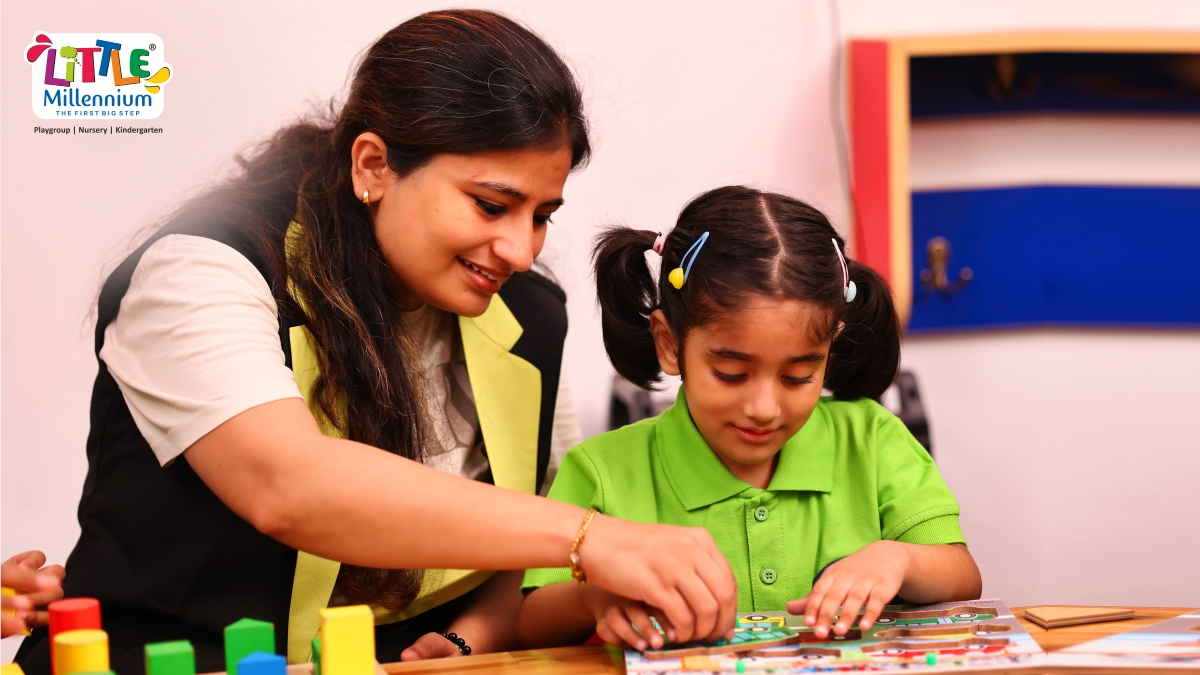
Franchise preschools, such as those operated by Celebree School, play a crucial role in fostering essential social skills in young children, serving as a foundation not only for academic learning but also for personal development. While many parents are primarily focused on the cognitive aspects of early education, the structured social interactions provided in preschool settings are equally imperative for a child’s growth and future academic success. By examining the various ways these environments promote social skills, families can make more informed choices regarding early childhood education.
Cultivating Social Interactions Through Group Activities
A significant advantage of franchise preschools is their commitment to small group activities. Unlike larger, less structured environments, these programs prioritize smaller cohorts for various tasks, facilitating deeper engagement among peers. Children participating in these intimate group dynamics experience firsthand the importance of collaboration, sharing, and active participation during play and learning activities.
In these smaller settings, children are given opportunities to practice and refine their social skills, such as listening effectively and taking turns. Interacting regularly in this supportive atmosphere helps them understand and navigate social hierarchies, which are vital for positive interactions in future educational settings.
Navigating Conflict With Educational Guidance
Conflict resolution is an inevitable part of childhood development, and how these situations are handled can significantly influence emotional and social growth. Educators in franchise preschools are usually skilled in guiding children through disputes rather than merely providing solutions.
For instance, when conflicts arise, such as two children wishing to play with the same toy, teachers facilitate discussions where the children can articulate their feelings and brainstorm solutions together. This collaborative approach fosters emotional intelligence and enhances communication skills, reducing reliance on adults to resolve conflicts and empowering children to manage their disagreements effectively.
Reinforcing Social Norms and Expectations
Franchise preschools excel in establishing clear expectations regarding social behavior. Children learn to value fundamental principles such as respect for personal space, sharing, and adherence to group norms.
The consistent reinforcement of these behavioral standards helps children internalize what is expected of them, creating a stable environment that encourages positive interactions. This structured framework gives children the confidence to express themselves, knowing they are in a secure space with defined social guidelines.
Embracing Diversity in Peer Interactions
The diverse environment of franchise preschools is another key feature that contributes to social development. Children from varying backgrounds and personality types interact regularly, providing opportunities to learn from one another.
Through these interactions, children encounter different temperaments, developing adaptability and empathy as they learn to adjust their behavior in response to diverse social contexts. These experiences are crucial in nurturing well-rounded individuals who can navigate a multifaceted world.
Modeling Positive Social Behaviors Through Educators
The influence of teachers in franchise preschools extends beyond formal instruction. Young children often learn by observing adults, making educators’ behaviors pivotal in shaping social skills. Teachers exemplify effective communication techniques, such as maintaining a respectful tone and demonstrating positive body language.
By consistently exhibiting patience and active listening, educators play a key role in shaping how children engage with their peers. This form of social learning, though often subtle, profoundly impacts the way children manage social situations and their relationships with others.
Long-Term Effects on School Readiness
The social competencies that children develop at franchise preschools have far-reaching implications beyond their immediate classroom environment. Skills such as communication, cooperation, and emotional management substantially contribute to a child’s readiness for the structured environment of kindergarten.
In addition to facilitating academic preparedness, these early experiences promote confidence and independence. For families seeking a balanced approach that prioritizes both educational achievement and social growth, Celebree School provides a franchise preschool environment dedicated to comprehensive development. By focusing on structured peer interactions and guided learning experiences, Celebree School lays a solid groundwork for children to thrive both socially and academically as they transition to their next stages of education.
